Why Fall Is a Smart Time for Concrete Installation in Addison
Most homeowners assume concrete work is a spring and summer job. It makes intuitive sense — warmer months, longer days, outdoor projects. But experienced concrete contractors throughout the western suburbs know something that most homeowners don't: fall is one of the best seasons of the year for concrete installation, and in some respects it's better than peak summer.
For homeowners in Addison and the surrounding communities who have been putting off a driveway, patio, walkway, or garage floor project, October and November represent a genuine opportunity — one that closes quickly as temperatures drop toward the hard freeze threshold.
Here is why fall deserves serious consideration as your installation window.
Fall Temperatures Are Actually Ideal for Concrete Curing
Scheduling Is More Flexible in Fall
Spring and summer are the most competitive seasons for concrete contractor availability throughout DuPage County. From May through August, established contractors are managing full schedules, coordinating multiple crews across concurrent projects, and working through backlogs that built up over the winter planning season.
By October, that pressure has eased. Contractors have more scheduling flexibility, projects get more focused attention, and homeowners have more genuine input into their preferred start date. If your summer was busy and a concrete project got pushed back, fall is the practical opportunity to get it done before the season closes.
RJ Concrete serves
Addison, IL and the surrounding area for concrete driveways, patios, walkways, garage floors, and other residential and commercial work, and fall scheduling consistently allows for more focused project planning than the compressed timelines of peak season.
Your Project Gets Done Before Winter Damage Accumulates
If your concrete driveway, walkway, or patio showed significant deterioration last winter — cracking, scaling, heaving, surface damage — leaving it through another Illinois winter compounds the problem. Damaged concrete absorbs more water than sound concrete. That water cycles through freeze-thaw damage all winter, widening existing cracks, deepening surface deterioration, and creating conditions where what was a repair candidate becomes a full replacement by spring.
Replacing a damaged concrete driveway or deteriorated concrete walkway in fall eliminates another full winter of damage accumulation. The new slab — properly sealed before winter — is protected from its first freeze-thaw season rather than going into winter already compromised.
Homeowners who recognize in October that something needs to be done and act on it are almost always better off than those who decide to wait until spring and absorb another season of deterioration in the meantime.
Concrete Can Absolutely Be Poured in Fall
The most common misconception that holds homeowners back from fall concrete projects is the assumption that cooler temperatures make concrete work impractical or risky. In Illinois, that concern is valid in January — but not in October or November.
Concrete installation is safe and practical when temperatures are consistently above 40°F during the pour and for the first 24 to 48 hours of curing. With daytime highs regularly in the 50s and 60s throughout October and into early November in the Addison area, the installation window is fully open. Experienced contractors monitor forecasts carefully and schedule pours on days with appropriate conditions, using insulated blankets to protect fresh concrete if overnight temperatures are expected to dip.
The window does close as winter approaches. By late November and into December, the frequency of nights below 32°F in DuPage County increases to the point where protecting fresh concrete becomes more involved and eventually impractical for large residential projects. The message is not that fall is an unlimited window — it is that the window is genuinely open through October and into early November, and it is worth using.
Fall Projects Are Ready for Spring Enjoyment
A concrete patio installed in October cures over the winter and is fully hardened and ready for use by the time outdoor entertaining season arrives in May. A concrete garage floor poured in fall is past its 28-day full-strength mark before the holidays. A new driveway installed before Thanksgiving is fully settled and ready for whatever the winter brings.
Homeowners who install in fall don't spend the first weeks of spring scheduling a project and waiting on a backlogged contractor. They spend those weeks using the space they already had installed and ready to go. For anyone who has spent a summer wishing their backyard had a finished patio, fall is how you make sure that situation doesn't repeat next year.
What Projects Work Well as Fall Installations
Not every concrete project is equally well-suited to fall installation, but most residential applications are straightforward candidates.
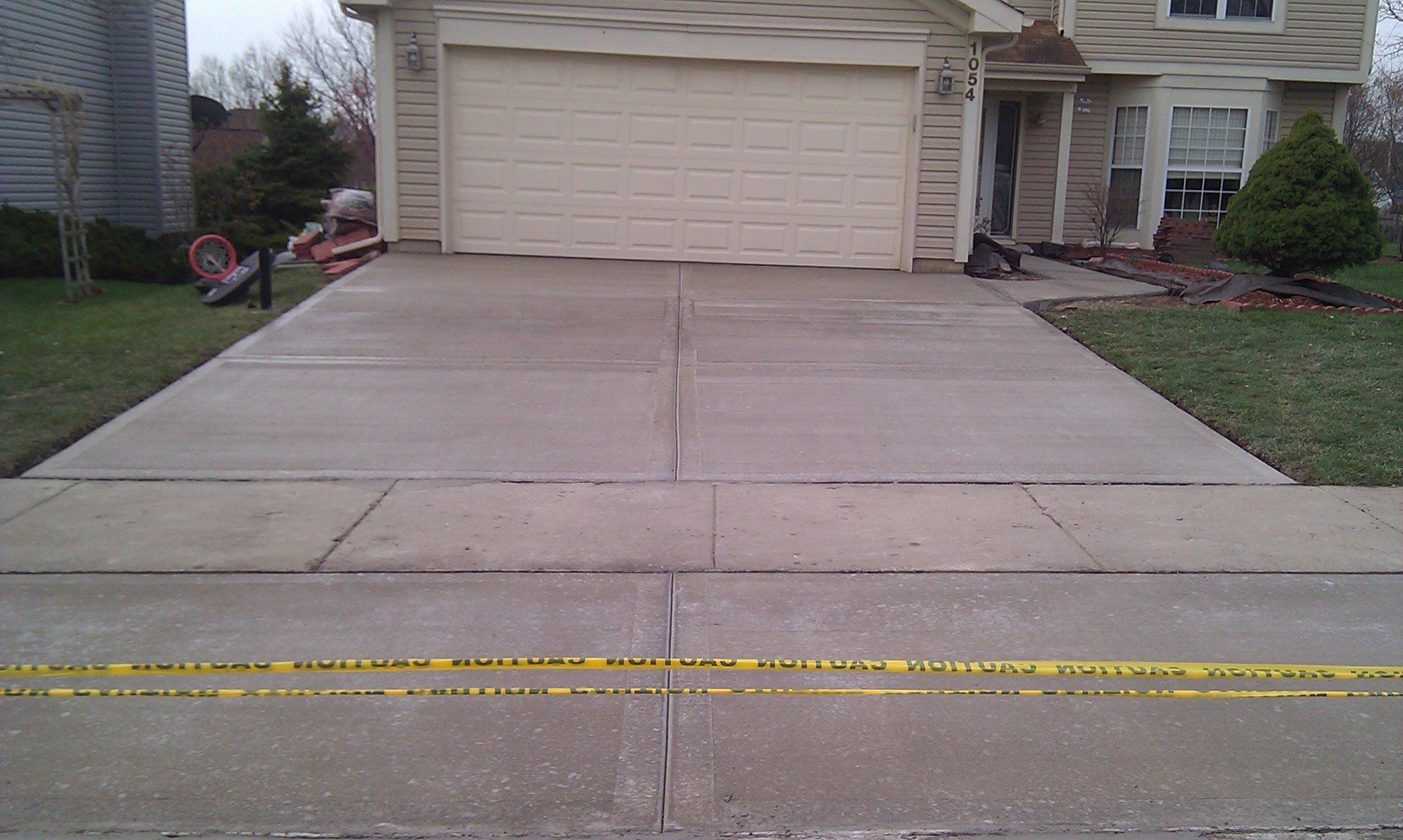
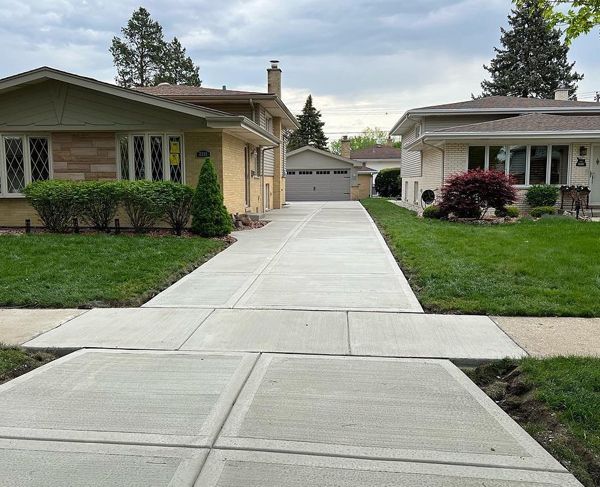
Driveways are excellent fall projects. The installation process is well-defined, curing conditions in fall are favorable, and a driveway that is failing or heavily deteriorated benefits from replacement before winter accelerates the damage further.
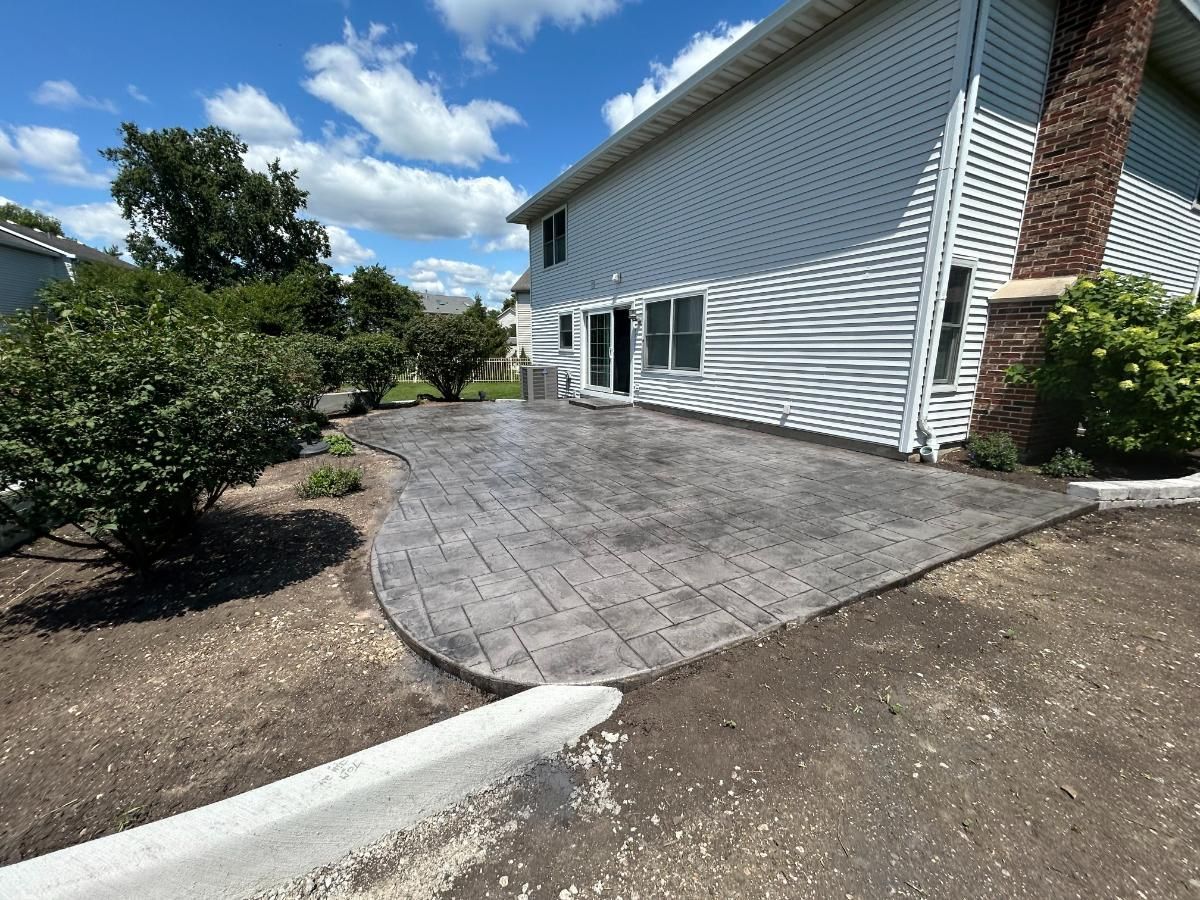
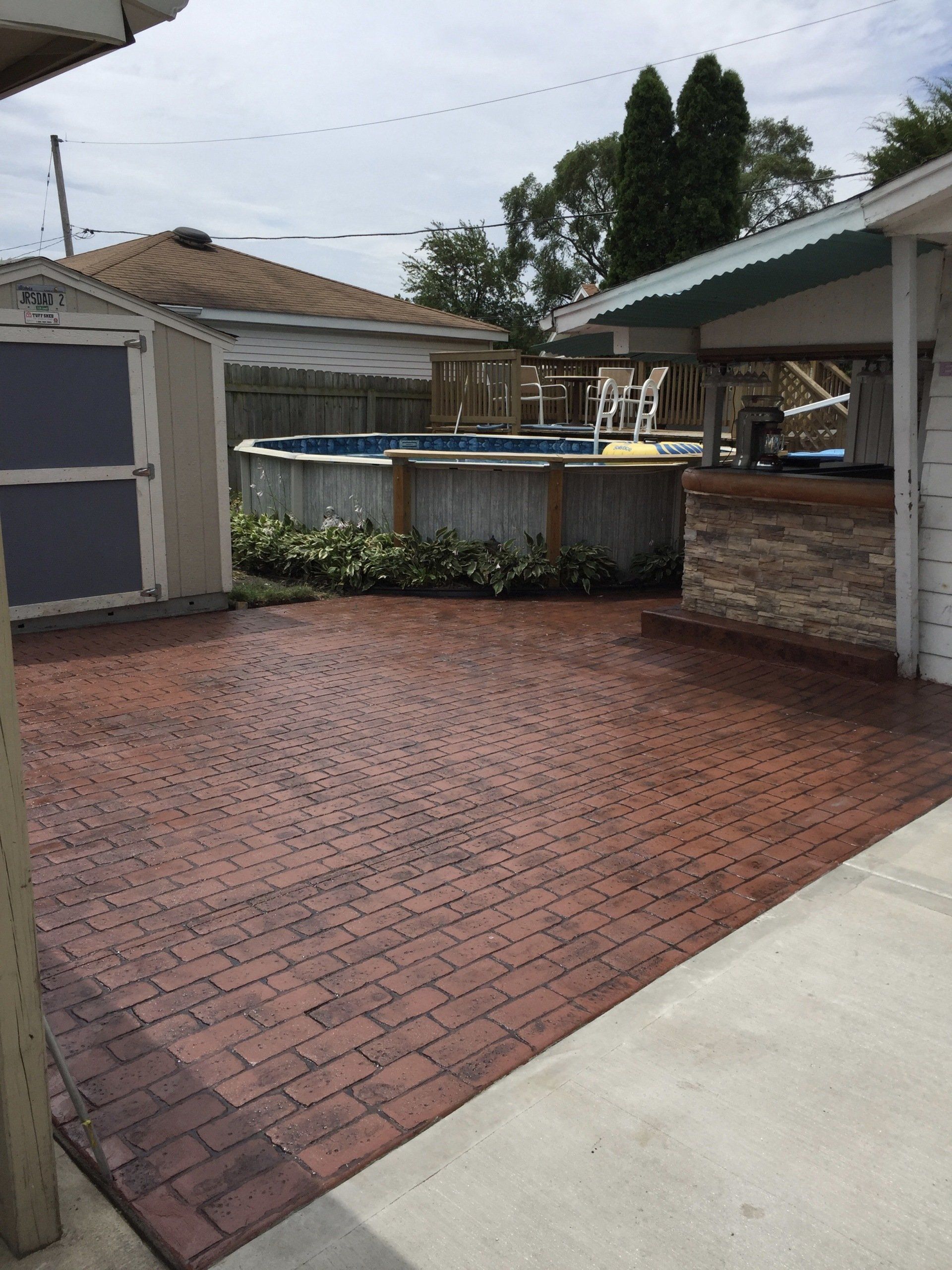
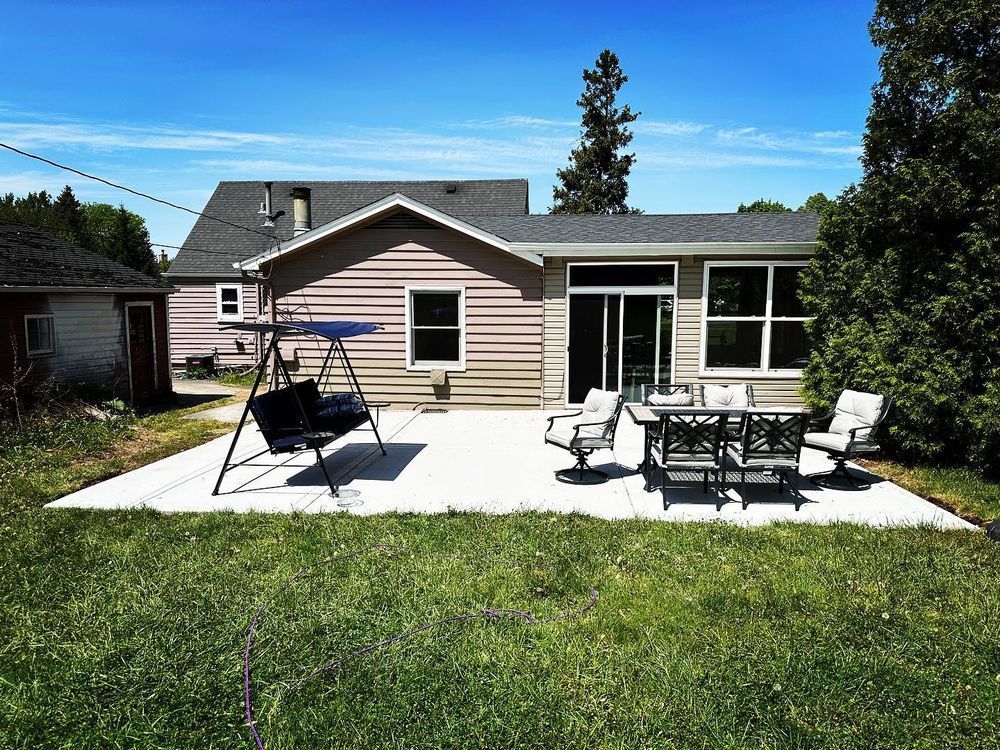
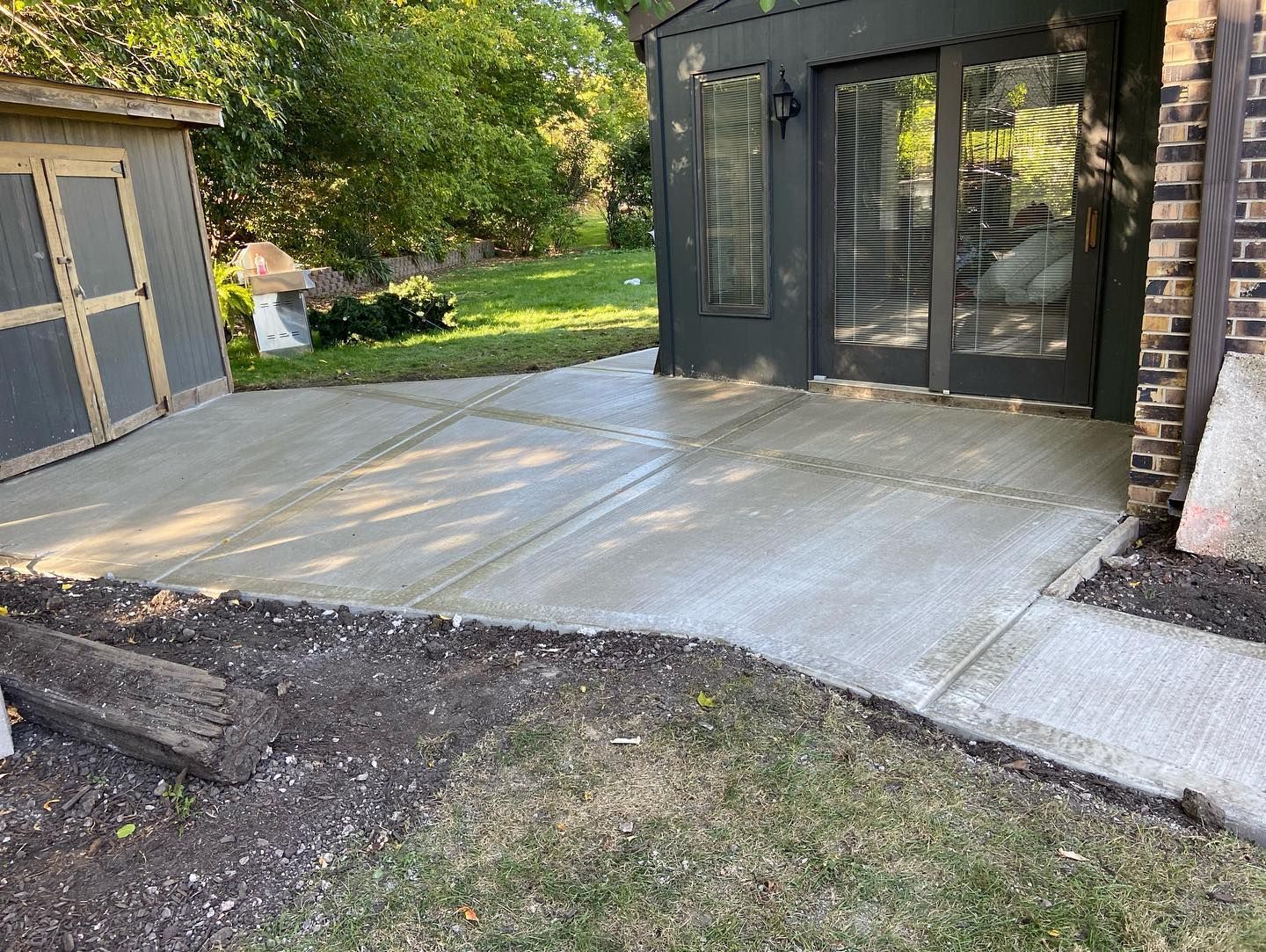
Patios and outdoor living spaces installed in fall cure fully before spring and are ready for use at the start of the outdoor season. This is particularly appealing for homeowners who want to be ready for Memorial Day or early summer gatherings without waiting on a spring scheduling backlog.
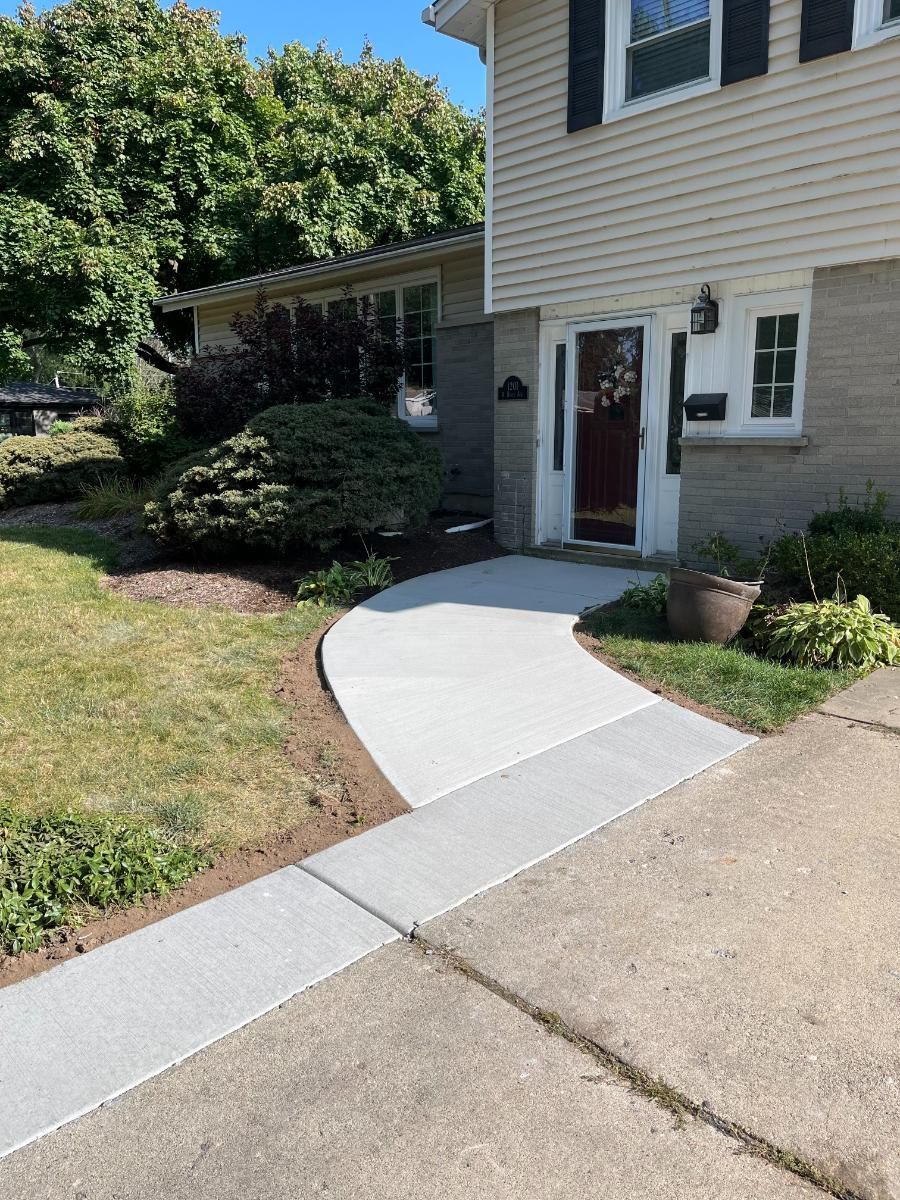
Walkways and sidewalks with heaving, cracking, or trip hazards benefit from fall replacement — both to address the safety issue before winter foot traffic conditions make it worse, and to start fresh with a sound surface before freeze-thaw cycles resume.
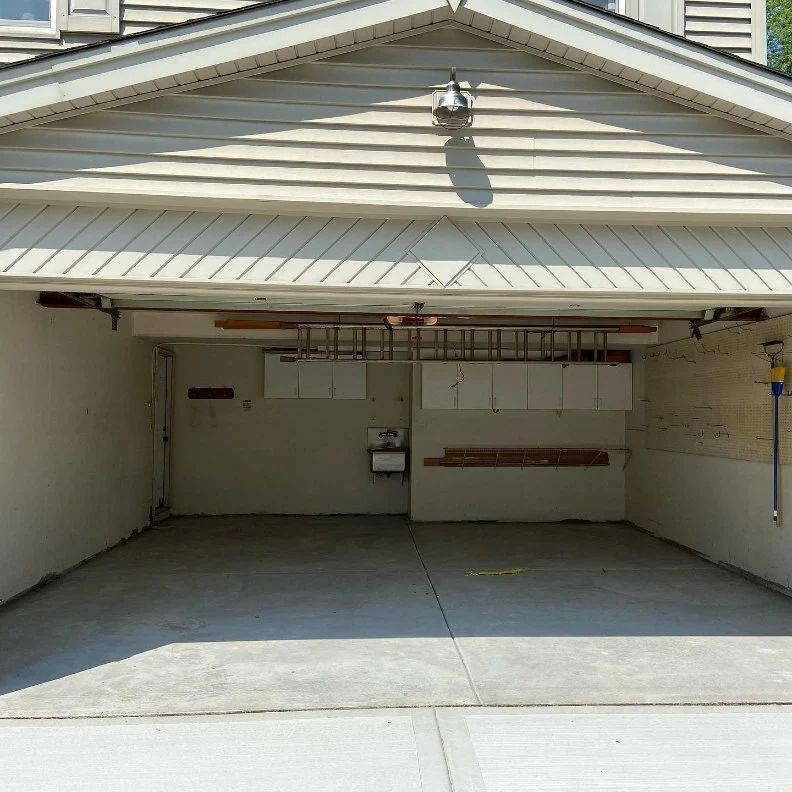
Garage floors are interior projects that are somewhat more insulated from ambient temperatures than outdoor work, making fall a practical installation window with less weather sensitivity than exterior pours.
For
commercial concrete projects — parking areas, walkways, and flatwork — fall is also a strong installation window, and commercial properties that have deferred maintenance through the busy summer season can often take advantage of more accessible scheduling in October.
A Note on Sealing Before Winter
One additional consideration for fall concrete installation: any newly installed concrete should be sealed before its first winter exposure. A quality concrete sealer applied after the appropriate curing period — typically 28 days after the pour — creates a barrier against water infiltration that is particularly important heading into Illinois freeze-thaw season.
For fall projects completed in October, the sealer can typically be applied before Thanksgiving, giving the new slab full protection before the hardest winter conditions arrive. RJ Concrete, an
Addison concrete contractor, includes sealing guidance as part of every project and can advise on appropriate timing and product selection based on the specific installation.
Frequently Asked Questions
Can concrete be poured in the fall in Illinois?
Yes. Concrete can be safely installed when temperatures remain consistently above 40°F during the pour and for the first 24 to 48 hours of curing. In the Addison area, October and early November typically meet those conditions comfortably, with daytime highs in the 50s and 60s throughout most of the month. Experienced contractors monitor forecasts and schedule pours on appropriate days, using protective blankets when overnight temperatures are expected to dip. The window tightens in late November as hard freezes become more frequent, but October is a fully practical installation month.
Is fall actually a good time for concrete work?
Fall is genuinely one of the best times for concrete installation from a technical standpoint. Cooler ambient temperatures — in the 50s and 60s — sit within the optimal range for concrete curing, allowing the hydration process to proceed at a controlled pace that supports maximum strength development. Summer heat can rush curing and require active management to prevent surface issues. Fall temperatures provide more forgiving conditions that consistently produce strong, well-cured concrete.
Does cooler fall weather affect how concrete cures?
Cooler temperatures slow the hydration process, which is beneficial within the appropriate range. Concrete that cures more slowly — without freezing — develops strength more fully and consistently than concrete rushed by summer heat. The practical threshold is maintaining temperatures above 40°F during and immediately after the pour. Below that, hydration slows to a degree that affects strength gain, and below freezing, water in the mix can freeze and compromise the concrete permanently. Within the normal October temperature range in DuPage County, cooler weather is an advantage, not a liability.
How late in the year can concrete be installed?
In the Addison area, concrete installation is practical through most of October and into early November under normal weather conditions. By late November, the frequency of overnight freezes in Illinois increases to the point where protecting fresh concrete becomes more challenging for large residential projects. Smaller projects with more flexibility around scheduling can sometimes be completed into November with appropriate weather monitoring. The practical advice for homeowners is that if a fall project is being considered, October is the month to act — waiting until November narrows the window considerably.
What concrete projects are most practical in fall?
Driveways, patios, walkways, and garage floors are all well-suited to fall installation. Driveways and walkways with existing deterioration particularly benefit from fall replacement — it prevents another winter of damage accumulation on a compromised surface. Patios installed in fall cure fully over winter and are ready for spring use, which is appealing for homeowners who want to start the outdoor entertaining season with a finished space. Garage floor projects, being interior work, have somewhat more weather flexibility than outdoor pours.
Will a fall-installed concrete surface be ready to use by spring?
Yes. Concrete reaches light foot-traffic strength within 24 to 48 hours of the pour and functional residential strength within seven days. Full design strength develops over 28 days. A driveway or patio installed in October is fully cured and at full strength well before spring arrives. The only additional consideration is sealing — new concrete should be sealed after the 28-day curing period, which for October installations means sealing is complete before Thanksgiving and the slab heads into winter with full protection.
Should I seal new fall-installed concrete before winter?
Yes — sealing before the first winter is important for any new concrete installation, and especially so for fall projects. A quality concrete sealer applied after the 28-day curing period creates a barrier against water infiltration, which is the primary driver of freeze-thaw damage. For October projects, there is typically adequate time to complete the curing period and apply sealer before hard winter conditions arrive, giving the new slab full protection through its first Illinois winter season.