Which Is Right for Your Backyard? A Concrete Patio or Stamped Concrete
If you're planning a new backyard patio for next spring, fall is the ideal time to make decisions. Contractors are wrapping up the summer season, timelines are less pressured, and the planning work you do now puts you first in line when installation season opens in April and May.
One of the first decisions homeowners in Addison, Elmhurst, and throughout the western suburbs face when planning a patio is whether to go with standard concrete or invest in stamped concrete. Both are excellent long-term choices. Both are concrete at their core. But they differ in cost, appearance, maintenance requirements, and what they deliver for a backyard — and choosing the right one comes down to understanding those differences clearly.
This comparison is designed to help you make that decision with confidence.
What Is the Difference Between Standard Concrete and Stamped Concrete?
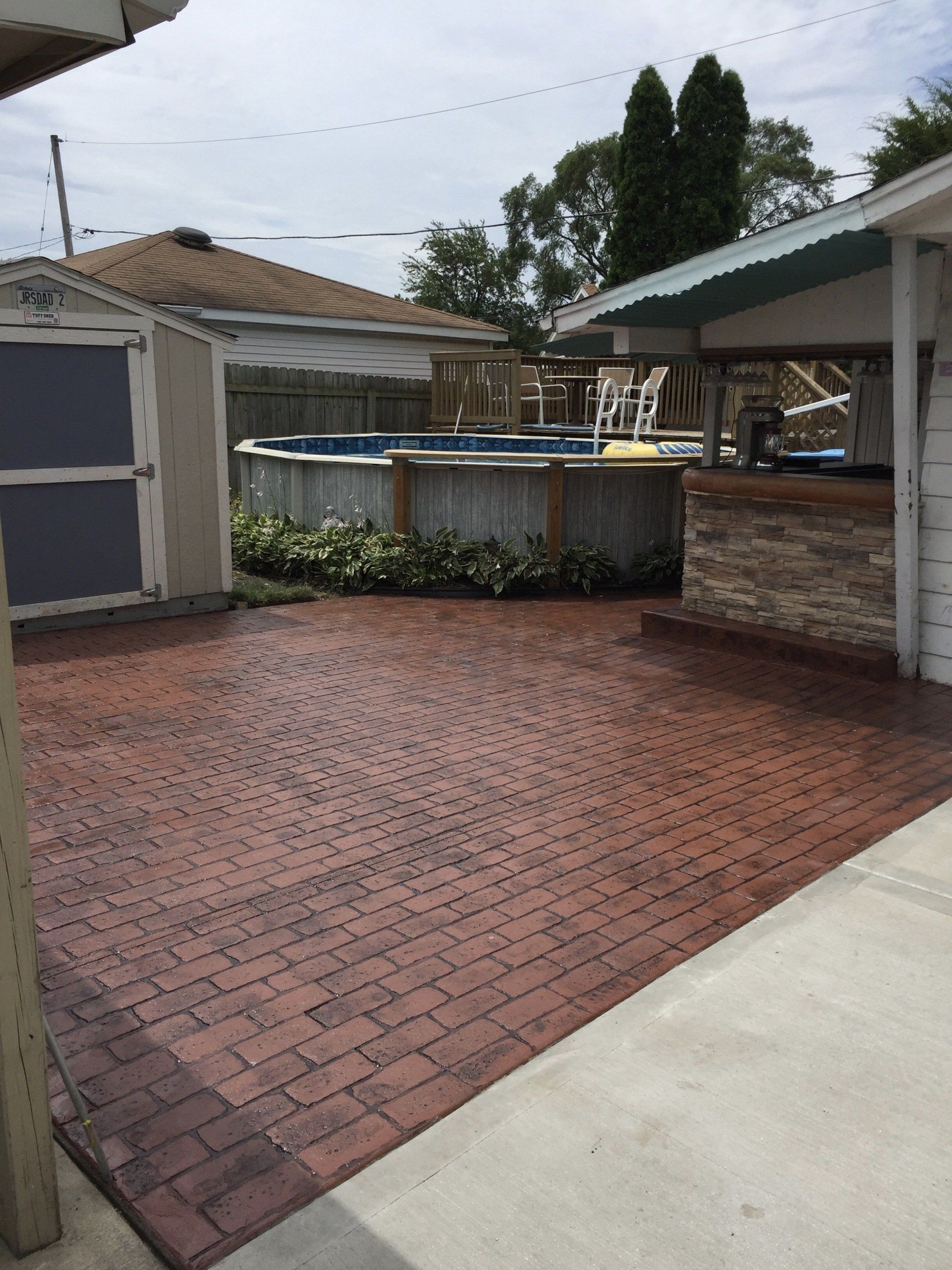
Stamped concrete takes that same poured concrete and adds two additional finishing steps before it sets. First, color is introduced — either as an integral pigment mixed throughout the concrete, a surface-applied color hardener, or both. Then, textured molds are pressed into the surface to create patterns that replicate the look of natural stone, brick, slate, cobblestone, wood plank, and other materials. An antiquing release agent is typically applied to add depth and variation to the color, preventing the flat, uniform look of a single-tone surface.
Cost: What to Expect From Each Option
Cost is typically the first consideration and the one that most directly shapes the decision for many homeowners.
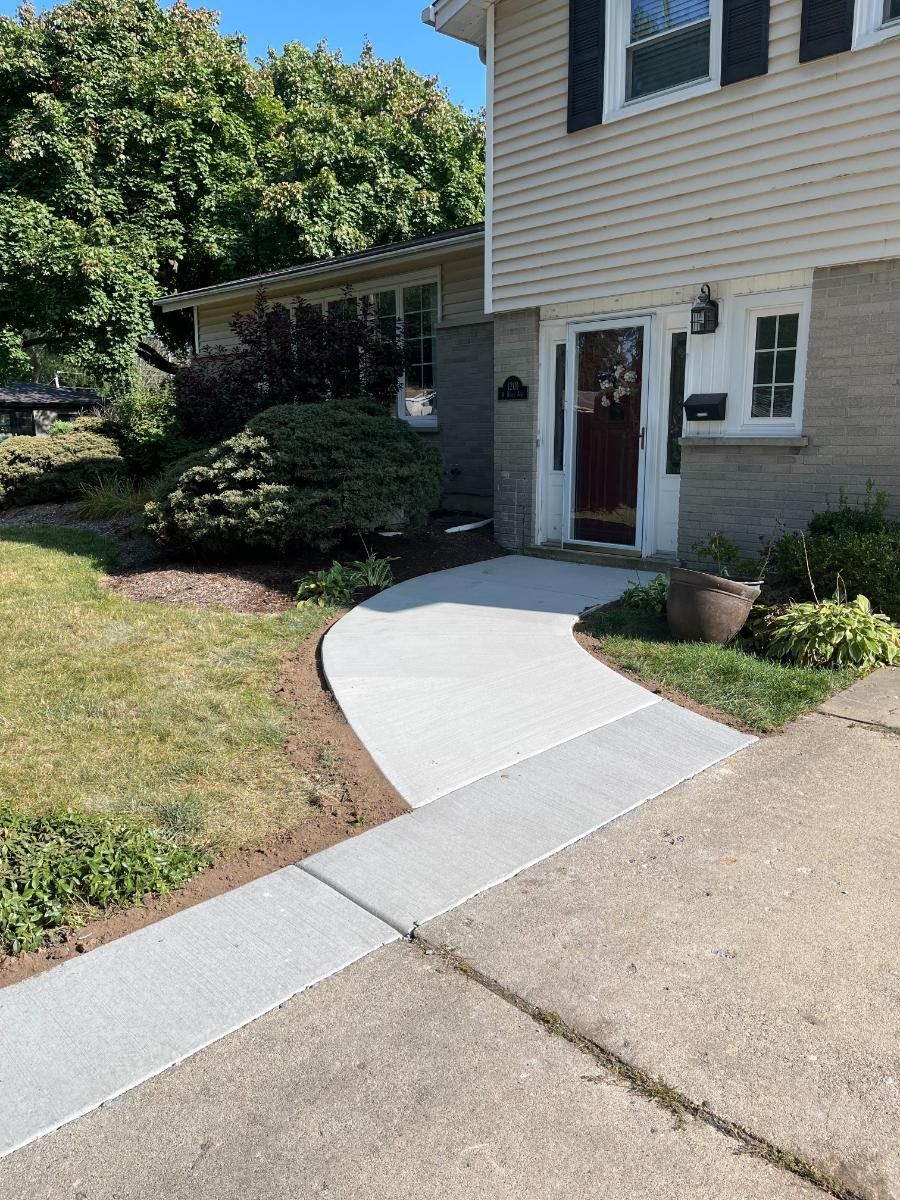
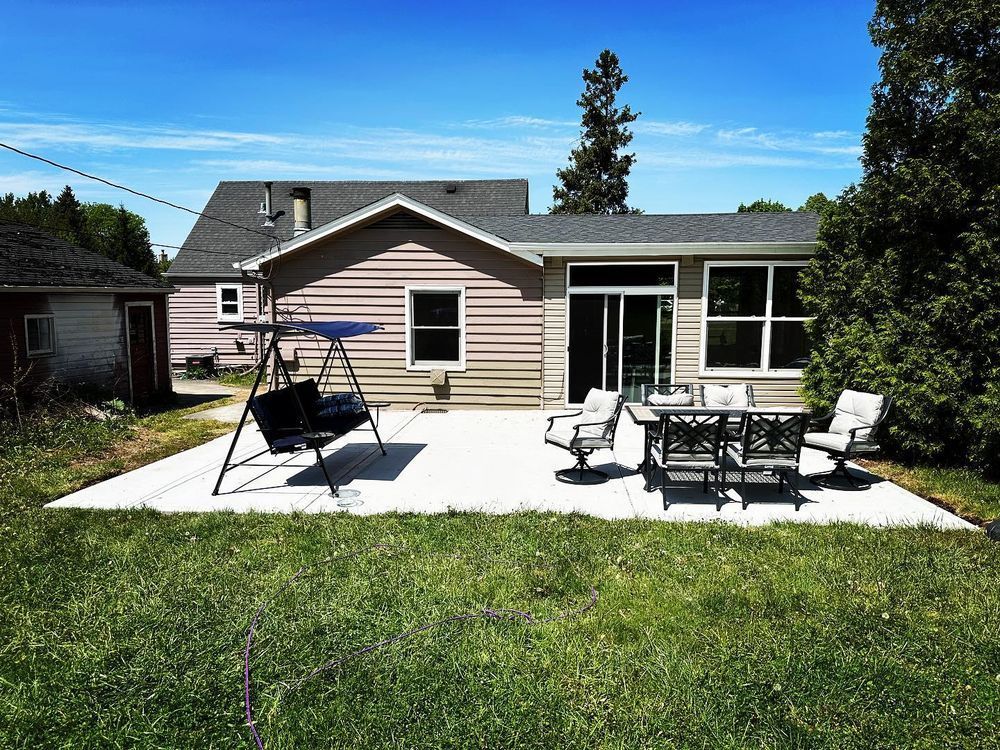
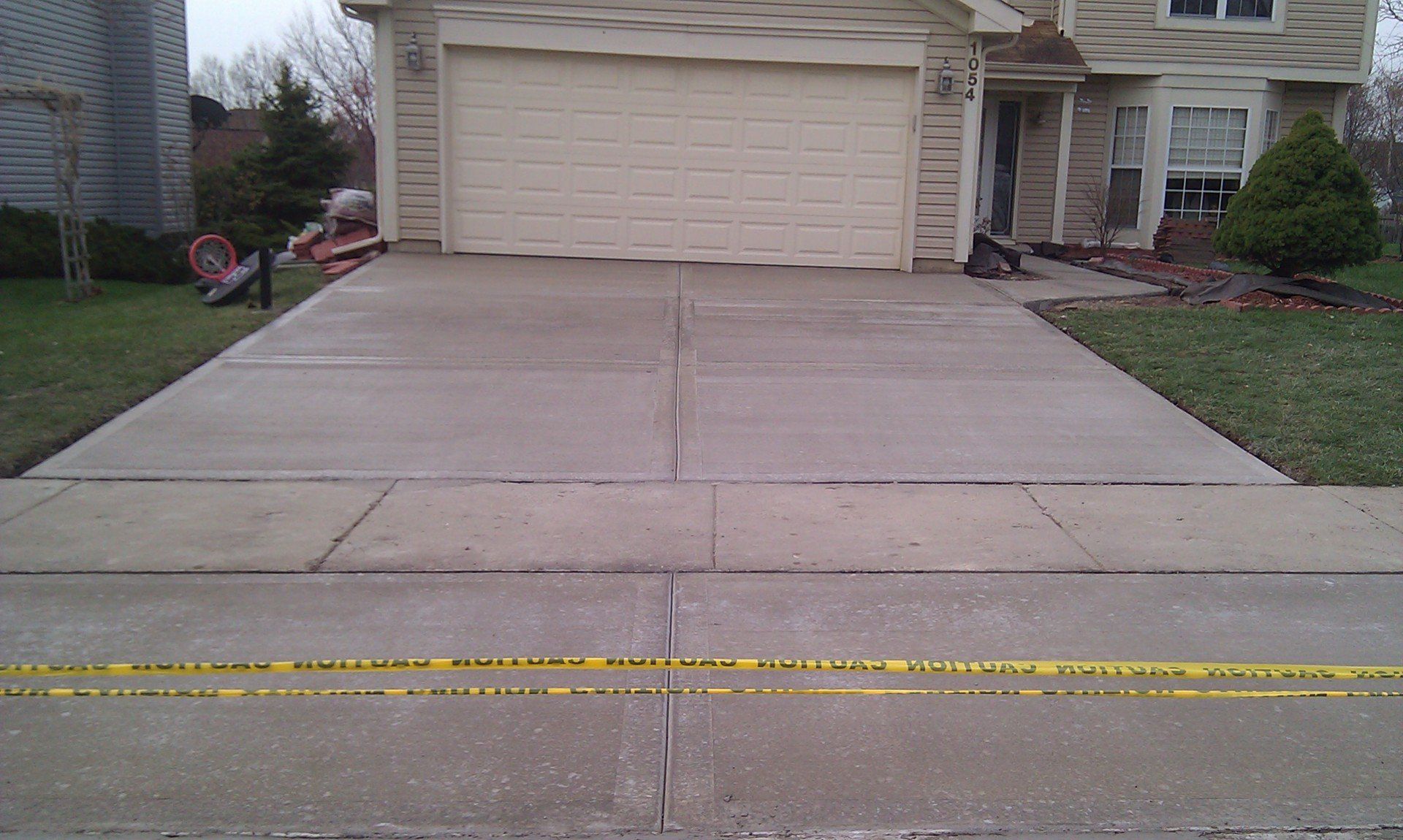
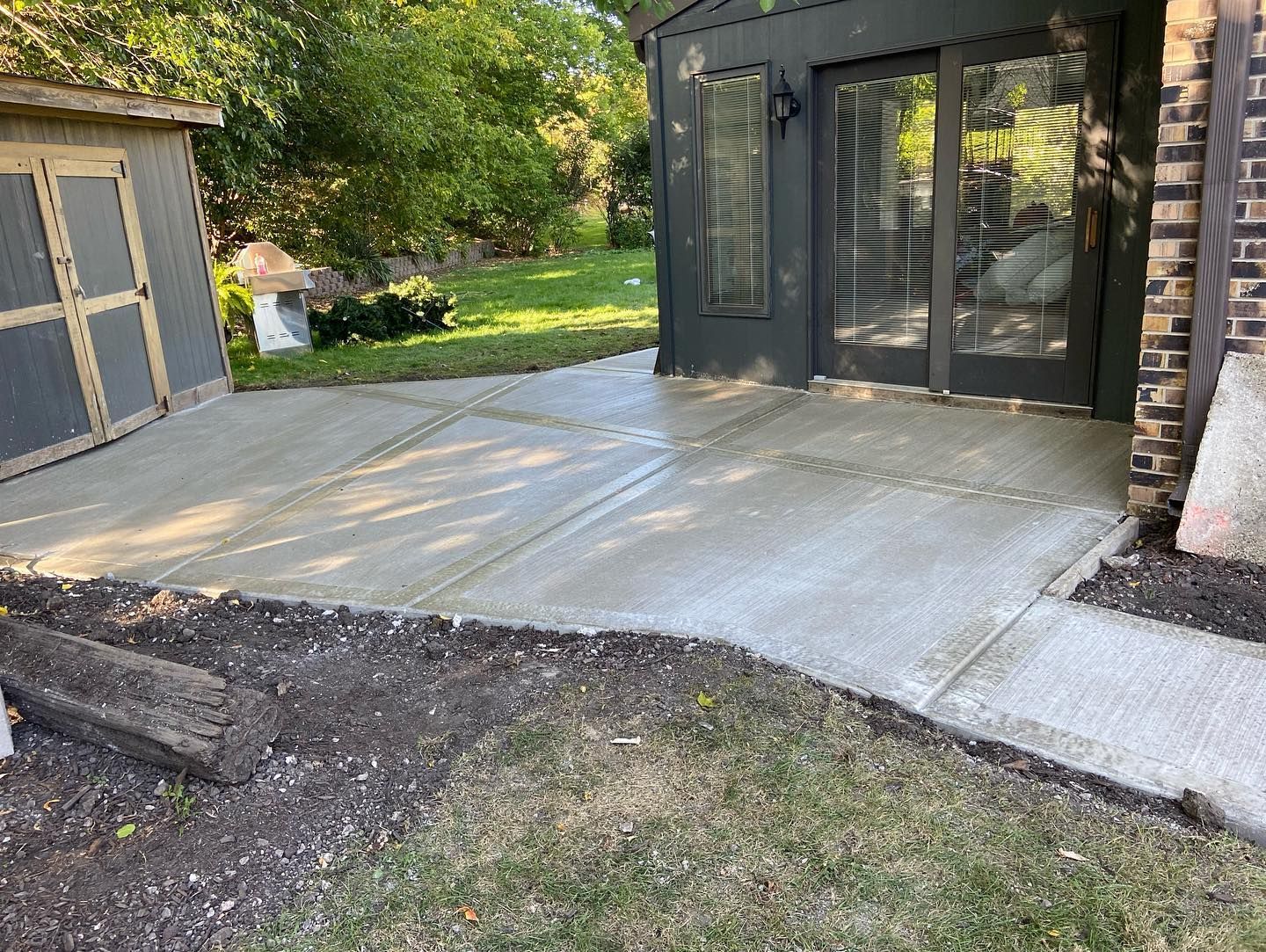
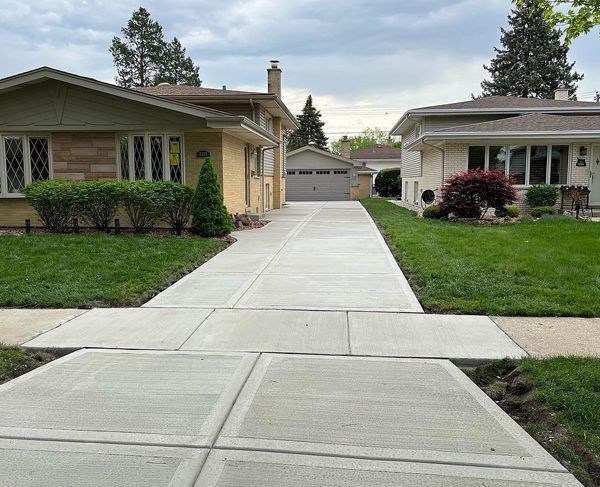
Standard concrete patios are the more affordable option. Material and labor costs are lower because the finishing process is simpler, requires less specialized skill, and uses fewer additional products. For homeowners working within a defined budget, a well-installed broom-finished patio delivers outstanding value — it is durable, low-maintenance, and perfectly capable of serving as the foundation for an attractive outdoor living space.
Stamped concrete carries a higher upfront cost. The additional materials — color hardeners, release agents, stamps themselves — and the skilled labor required to apply patterns correctly and consistently add to the project price. The cost premium over standard concrete varies based on pattern complexity and size, but it is a meaningful difference that should be factored into the planning conversation.
The key question is whether the visual and design benefits of stamped concrete justify that premium for your specific situation — and that answer varies by homeowner, property, and goals. A
concrete patio contractor who works with both options can give you an accurate side-by-side estimate for your project so the comparison is grounded in real numbers rather than general ranges.
Appearance and Design Flexibility
This is where stamped concrete has the clearest advantage. Standard concrete is limited in its design expression — the finish is consistent, the color is natural gray (or can be integrally colored for a modest additional cost), and the visual interest comes from the shape of the patio, its borders, and the landscaping around it rather than from the surface itself.
Stamped concrete opens up a much wider range of design possibilities. Pattern options include ashlar slate, flagstone, cobblestone, European fan, brick, wood plank, and many others. Color options span from warm earth tones and neutrals to deeper charcoal and slate tones. Combining a field pattern with a contrasting border in a different stamp or finish adds a custom, designed quality that plain concrete cannot replicate.
For homeowners in
Elmhurst,
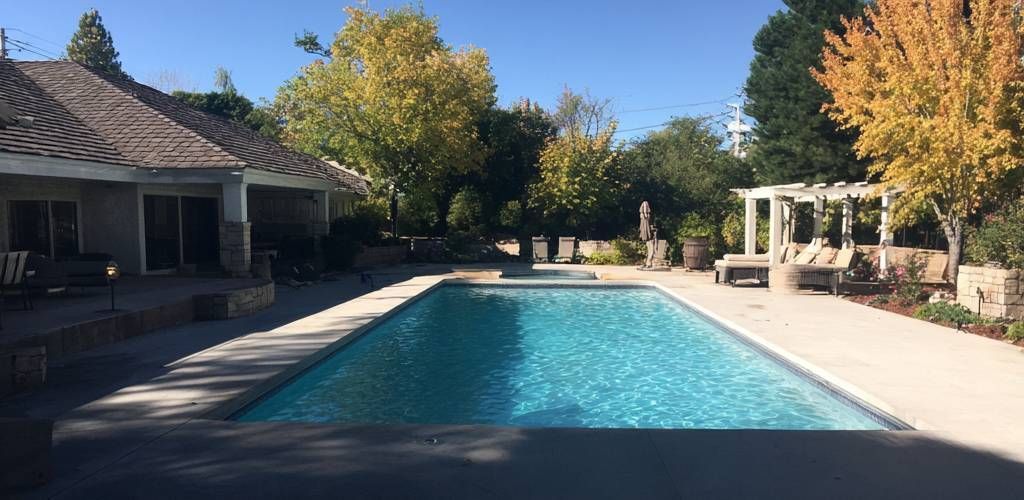
Oak Brook, and Villa Park who are investing in outdoor living spaces that are meant to extend the design sensibility of the home into the backyard, stamped concrete is often the choice that delivers that result. The ability to match or complement existing hardscape, exterior materials, and landscaping through pattern and color selection gives stamped concrete a design flexibility that plain concrete simply doesn't offer.
Durability: How Do They Compare Over Time?
Both options are concrete — meaning both are fundamentally durable, load-bearing surfaces that perform well under normal residential use. The durability comparison between them is more nuanced than it might initially appear.
Standard concrete has a slight edge in one respect: there is no color or surface treatment to maintain or lose over time. A broom-finished patio that has faded or worn is still a structurally functional surface. Its appearance changes gradually and naturally as it weathers.
Stamped concrete requires sealing to preserve both its structural integrity and its appearance. The sealer protects the color from UV fading, shields the surface from water infiltration, and maintains the visual quality of the finish. A stamped patio that is consistently sealed every two to three years will look significantly better over a longer period than one that is neglected. An unsealed or under-maintained stamped surface will fade and lose its visual impact more noticeably than an untreated plain slab.
From a structural standpoint — cracking, freeze-thaw resistance, slab integrity — both perform equivalently when installed correctly with the right mix design, sub-base preparation, and control joints. Illinois winters test both equally, and proper installation is the primary determinant of long-term structural performance for either option.
Maintenance: What Each Option Requires
Standard concrete is notably low-maintenance. Periodic sealing — every three to five years — helps preserve the surface and limit staining. Beyond that, routine cleaning with a hose or pressure washer is typically all that's needed. If the surface does stain from leaves, rust, or outdoor use, it is less visible against the natural gray background than it would be on a colored surface.
Stamped concrete requires more consistent maintenance attention. Sealing every two to three years is essential rather than optional — it directly affects how the surface looks and how it holds up through Illinois freeze-thaw seasons. The sealer needs to be compatible with the original products used during installation, and application needs to be done correctly to avoid trapping moisture or creating uneven sheen. Staining on a colored and sealed stamped surface is generally more visible and requires prompt attention.
For homeowners who want a beautiful patio without significant ongoing maintenance commitment, standard concrete is the more forgiving choice. For homeowners who are willing to invest in periodic maintenance to preserve a more visually striking surface, stamped concrete rewards that care with a patio that continues to look as designed for decades.
How Each Option Fits Different Backyard Goals
The right choice often comes into focus when you think about what you actually want the patio to accomplish in your backyard.
Standard concrete is the right choice when budget is the primary consideration, when the patio is primarily functional rather than decorative, when you want a low-maintenance surface that holds up without much intervention, or when the design vision for the outdoor space centers on furniture, plantings, and lighting rather than the patio surface itself.
Stamped concrete is the right choice when you want the patio surface itself to be a design element, when the outdoor space is being built to a specific aesthetic that standard concrete can't achieve, when you're creating an outdoor living area that complements a high-investment home interior, or when the property is in a neighborhood where comparable homes have invested significantly in outdoor spaces and you want to match that standard.
For homeowners in Addison planning for next spring, both options are worth getting a real estimate on — seeing the side-by-side numbers and discussing specific pattern and color options with a contractor often makes the decision clear in a way that abstract comparisons don't. RJ Concrete works with homeowners throughout the western suburbs on both
stamped concrete and standard patio installations and can walk you through both options in the context of your specific project.
Fall Planning Puts You Ahead for Spring
One of the clearest advantages of making this decision in September or October is timing. Spring is when every homeowner who spent the summer wishing they had a new patio picks up the phone — and by April, established contractors across the western suburbs are already booking into June.
Planning now means you can take the time to think through the decision carefully, get estimates on both options, review pattern samples and color options for stamped concrete, and lock in your preferred spring installation date before scheduling fills. A patio decision made thoughtfully in fall is almost always better than one made under time pressure in spring. Whether your project calls for a
concrete contractor in Schaumburg, Addison or Lisle, RJ Concrete is here to get it started early and finish it on time!
Frequently Asked Questions
What is the difference between a regular concrete patio and stamped concrete?
A standard concrete patio is poured and finished with a broom texture, leaving a clean, lightly textured gray surface. Stamped concrete uses the same poured concrete as its base but adds color — through integral pigments or surface-applied color hardeners — and is imprinted with textured molds before it sets to create patterns that replicate natural stone, brick, slate, wood, and other materials. The structural foundation is the same; the difference is in the finishing process, the level of design customization, and the cost.
Is stamped concrete worth the extra cost?
For homeowners who want a patio surface that functions as a design element — not just a functional slab — stamped concrete consistently delivers strong value. The cost premium over standard concrete is real, but so is the visual difference. Whether it is worth it depends on how central the patio surface is to your outdoor design vision, your budget, and your willingness to maintain it with periodic sealing. For homeowners whose primary goal is a durable, low-maintenance outdoor surface, standard concrete may be the more sensible investment.
Which lasts longer — a standard concrete patio or stamped concrete?
Both options have comparable structural lifespans when properly installed — 25 to 30 years or more under normal conditions. The difference in longevity comes down to maintenance. A stamped concrete patio that is consistently sealed every two to three years will hold up structurally and visually for decades. A neglected stamped surface will fade and deteriorate faster than a plain concrete slab in similar condition. Standard concrete requires less maintenance to maintain acceptable appearance over time.
Can stamped concrete be added to an existing concrete patio?
In most cases, a full stamped concrete installation requires a new pour — the stamping process is applied to fresh concrete before it sets, which means it cannot be applied retroactively to an existing slab. Decorative overlays with stamped textures can be applied over existing concrete in some situations, but the results and durability differ from a true stamped installation, and the existing slab must be in sound structural condition. A contractor assessment is the best way to determine what options are realistic for an existing patio.
How does stamped concrete hold up in Illinois winters?
Stamped concrete holds up well through Illinois winters when properly installed and consistently maintained. The keys are the same as for any outdoor concrete: proper mix design with air entrainment for freeze-thaw resistance, adequate sub-base preparation, and regular sealing to prevent water infiltration. The sealer is especially important for stamped concrete because it also protects the color. Avoiding aggressive deicing salts — using sand for traction instead — further extends the life of both the sealer and the surface color.
Do both options require the same installation process?
Both start with the same foundational steps: excavation, sub-base preparation, forming, and pouring. The difference begins after the pour. Standard concrete is finished with a broom and allowed to cure. Stamped concrete requires additional steps — applying color hardener or integral color, applying a release agent, pressing stamp molds into the surface before it sets, and sealing after curing. Those additional steps require more skilled labor and extend the on-site time, which is part of why stamped concrete carries a higher cost.
When is the best time to plan a patio project for the following spring?
Fall — September through November — is the ideal planning window for a spring patio installation. Spring demand for concrete contractors throughout the western suburbs peaks sharply in April and May, and scheduling fills quickly once the season opens. Planning in fall gives you time to make a thoughtful decision between options, get accurate estimates, review design choices for stamped concrete, and secure your preferred spring start date before the schedule fills.