Stamped Concrete Patio Ideas for Illinois Backyards
A concrete patio doesn't have to look like a concrete patio. That's the idea behind stamped concrete — a finishing technique that transforms an ordinary slab into a surface that mimics the texture and appearance of natural stone, brick, slate, wood, and more. For homeowners in Elmhurst, Bloomingdale, Villa Park, and throughout the western suburbs, stamped concrete has become one of the most popular ways to create a backyard living space that looks custom without the cost and maintenance demands of premium natural materials.
If you've been browsing patio ideas and wondering whether stamped concrete could work for your yard, this guide covers the most popular patterns, color options, and design approaches — along with the practical information you need to make a confident decision.
What Is Stamped Concrete?
Stamped concrete is poured concrete that has been imprinted with textured molds — called stamps — before it fully sets, creating patterns and surface textures that replicate the look of other materials. Color is added either as an integral pigment mixed throughout the concrete, a surface-applied color hardener, or a combination of both. An antiquing release agent is often applied before stamping to add depth and variation to the finished color, preventing the flat, uniform look that makes stamped concrete appear artificial.
When the process is executed well, the result is a surface that genuinely resembles natural stone or brick — with the structural advantages of a single poured concrete slab and the long-term durability that comes with it.
Popular Stamped Concrete Patterns for Illinois Backyards
Pattern selection is where most homeowners begin the design conversation, and the range of available options is broader than many people expect.
Ashlar Slate
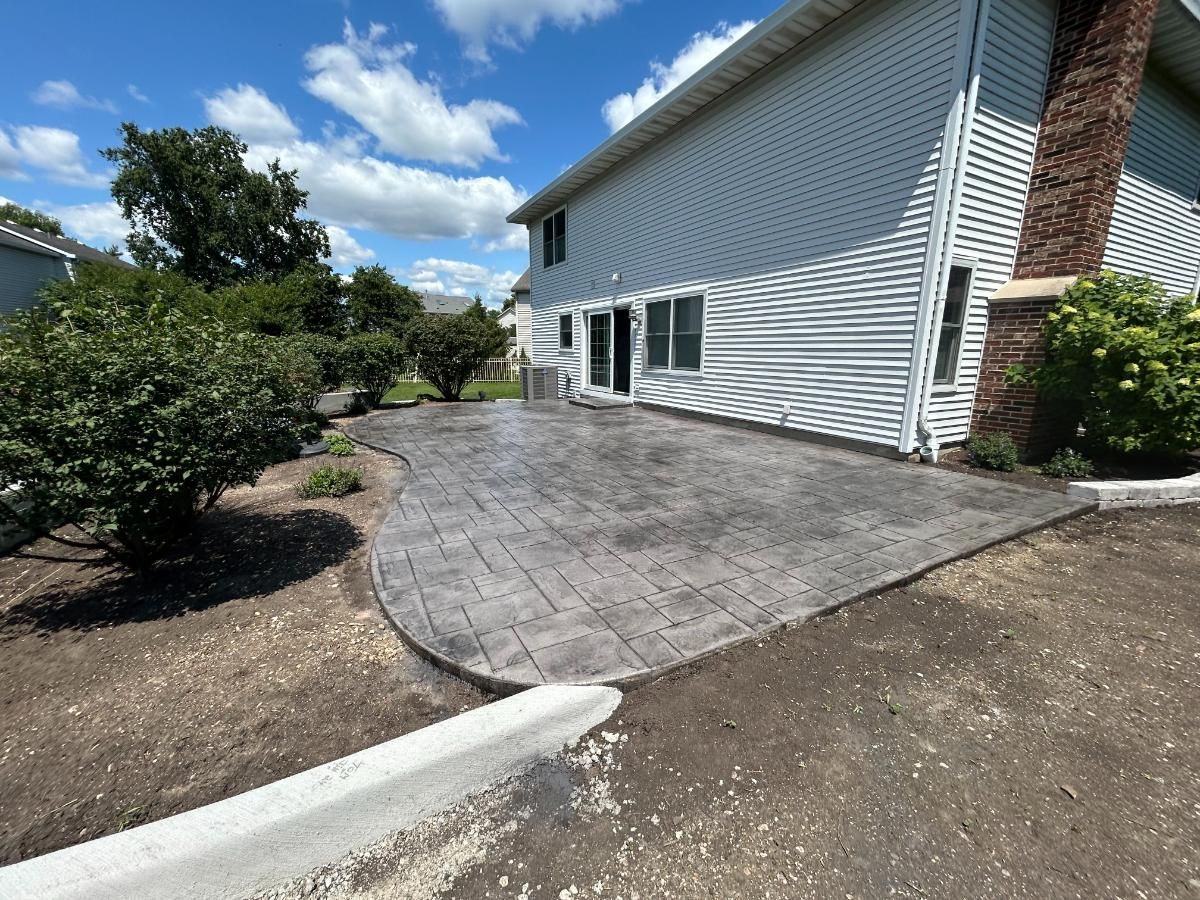
Ashlar slate is consistently one of the most requested patterns for residential patios throughout the Addison area. It replicates the look of large, cut slate tiles in a staggered, rectangular layout — clean and structured, with just enough texture to feel natural rather than manufactured. The pattern works equally well with a single neutral color as it does with a multi-tone antiqued finish.
Ashlar slate reads as sophisticated without being fussy, which is why it translates well across a wide range of home architectural styles — from traditional two-stories common in Elmhurst to the ranch-style homes found throughout Bloomingdale and Wood Dale.
Cobblestone and European Fan
For homeowners who want more visual texture and movement, cobblestone and European fan patterns create a sense of old-world craftsmanship. The rounded, tightly packed shapes of a cobblestone stamp or the radiating arc of a fan pattern add energy to larger patio surfaces that a simple rectangular stamp would leave feeling flat.
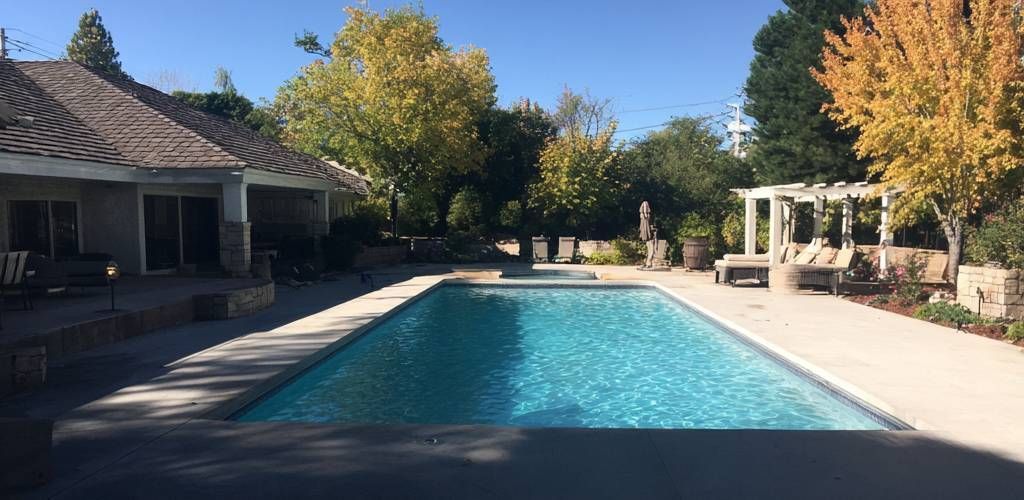
These patterns tend to complement homes with brick exteriors, traditional landscaping, and outdoor spaces designed around a garden or courtyard aesthetic. They're also a strong choice for pool deck surrounds, where the pattern variation draws the eye and creates visual interest at the water's edge.
Flagstone and Random Stone
Random flagstone patterns give stamped concrete the organic, handcrafted appearance of individually placed natural stone — without the cost, the labor, or the long-term joint maintenance. The irregular shapes and varied sizes of a flagstone stamp create a surface that feels genuinely artisanal, particularly when paired with earth-tone colors and a subtly contrasting grout line.
This is one of the most popular choices for homeowners in Villa Park and Elmhurst who want a patio that blends naturally into established landscaping. The irregular, nature-inspired pattern doesn't compete with surrounding plantings the way a more geometric design might.
Wood Plank
Stamped concrete wood plank patterns have grown significantly in popularity as outdoor living design has trended toward more natural, organic aesthetics. The pattern replicates the look of hardwood or reclaimed wood decking — with the grain texture, plank width, and spacing you'd expect from real wood — but without the rotting, warping, splintering, or refinishing demands of actual wood surfaces in an Illinois climate.
A concrete patio with a wood plank stamp and a warm brown or gray tone can look remarkably like a composite deck from a distance, while offering the structural stability and longevity of poured concrete.
Brick and Running Bond
Brick-pattern stamped concrete captures the classic appeal of real brick with the seamless, low-maintenance performance of a concrete slab. Running bond — the standard alternating-course brick pattern — is the most versatile option, working well with traditional and contemporary homes alike.
For homeowners whose existing home or hardscape already incorporates real brick, a brick-stamped concrete patio in a complementary color ties the outdoor space together without requiring the expense of true brick installation. It's also a popular choice for connecting walkways and patio surfaces when design consistency matters.
Color Approaches That Work for Illinois Backyards
Pattern choice is only half the design equation. Color determines how natural or dramatic the finished surface looks, and how well it integrates with the home, the landscaping, and the surrounding hardscape.
Neutral and Earth Tones
Warm grays, tans, sandstone, and buff tones are the most frequently chosen base colors for stamped concrete patios throughout the western suburbs. These neutral palettes complement the wide range of home exterior colors — brick, siding, and stucco — found across Addison, Bloomingdale, and Villa Park without competing with landscaping or exterior finishes.
Two-Tone and Antiqued Finishes
A single flat color can make stamped concrete look uniform in a way that natural materials never do. An antiquing or accent color applied over the base — often a darker shade that settles into the recesses of the stamp pattern — adds dimension and realism. The color variation mimics the natural variation in stone or brick and makes the finished surface look genuinely handcrafted.
Bold and Contemporary
Charcoal, slate blue, deep brown, and similar richer tones are gaining popularity among homeowners designing outdoor spaces with a more contemporary or minimalist aesthetic. When paired with clean geometric stamp patterns and modern outdoor furniture, darker stamped concrete creates a cohesive, design-forward backyard that feels intentional rather than generic.
Design Features That Enhance a Stamped Concrete Patio
Beyond pattern and color, a few design elements can significantly elevate the finished look of a stamped patio.
Contrasting borders. A border in a different stamp pattern, a different color, or a smooth concrete band creates a frame around the main patio surface. The visual separation defines the space and adds a custom detail that makes the patio look designed rather than simply poured.
Inlaid patterns or medallions. For homeowners who want a true focal point, decorative medallion stamps or geometric inlay patterns at the center of a patio create a custom look that is unique to their space.
Integrated steps. Stamped concrete steps connecting the patio to a back door, a grade change in the yard, or a pool area can be finished to match the patio surface, creating a seamless visual flow across the entire outdoor space. RJ Concrete installs concrete patios with integrated steps throughout Elmhurst and the surrounding area, ensuring every element of the project is consistent in material and finish.
Multi-level designs. A patio that steps down from one level to another — separating a dining area from a lounge or fire pit zone, for example — adds architectural interest and function. Stamped concrete works well across multiple levels because the consistent material and pattern ties the zones together visually.
How Stamped Concrete Holds Up in Illinois Winters
A question RJ Concrete hears often from homeowners considering stamped concrete is whether it holds up as well as regular concrete through Illinois winters. The answer is yes — with the right installation and maintenance practices.
Stamped concrete is still poured concrete at its core. The same freeze-thaw considerations that apply to any concrete surface apply here: sealing is essential. A quality penetrating or film-forming sealer applied after installation and reapplied every two to three years protects the surface from water infiltration, which is the primary driver of freeze-thaw damage.
The sealer also protects the color from UV fading and keeps the surface looking sharp over time. Homeowners should avoid aggressive deicing salts on stamped concrete surfaces, as salts can affect both the sealer and the color over time. Sand is a safer choice for winter traction.
With proper sealing and routine care, a stamped concrete patio in Bloomingdale or Villa Park will remain structurally sound and visually attractive for decades.
Is Stamped Concrete the Right Choice for Your Backyard?
Stamped concrete is an excellent fit when you want a durable, low-maintenance patio surface with genuine design character — and when you're willing to invest slightly more upfront than a plain concrete slab to achieve that result. It's not the right choice if budget is the primary concern, as the additional materials and labor involved in stamping and coloring do carry a cost premium over standard concrete.
For homeowners from
Glen Ellyn to Mount Prospect who are investing in outdoor living spaces meant to be enjoyed for decades, that premium consistently delivers strong returns in both enjoyment and property value. RJ Concrete works with homeowners throughout the area to select patterns, colors, and design features that match their vision and their budget. Explore your options on our
stamped concrete page or reach out directly to start the conversation.
Frequently Asked Questions
What is stamped concrete?
Stamped concrete is poured concrete that has been imprinted with textured molds before it sets, creating surface patterns that replicate the look of natural stone, brick, slate, wood plank, and other materials. Color is added through integral pigments, surface-applied color hardeners, or a combination of both. When properly installed and sealed, stamped concrete is a durable, long-lasting patio surface that delivers the aesthetic appeal of premium materials at a more accessible price point.
Is stamped concrete slippery?
Stamped concrete can be slippery when wet, particularly when sealed with a high-gloss sealer. This is manageable with the right product choices — a matte or satin sealer reduces slip risk compared to high-gloss options, and a non-slip additive can be incorporated into the sealer for surfaces in areas that stay wet, such as pool decks. The texture of the stamp itself also contributes to traction; patterns with more surface relief provide more grip than very smooth finishes.
Does stamped concrete add value to a home?
Yes. A well-designed and professionally installed stamped concrete patio consistently improves curb appeal and outdoor livability in ways that are recognized by buyers and appraisers. In western suburb communities like Elmhurst and Villa Park, where outdoor living spaces are increasingly considered essential rather than optional, a finished patio is a meaningful differentiator compared to homes without dedicated outdoor areas.
How does stamped concrete compare in cost to natural stone or pavers?
Stamped concrete typically costs less than natural stone installation and is comparable in price to quality paver systems. The long-term cost comparison also favors concrete — pavers require occasional releveling and joint sand replenishment over time, while natural stone can be costly to repair if individual pieces crack or shift. A stamped concrete patio requires sealing every few years but has no individual components to shift, sink, or replace.
How long does stamped concrete last?
A properly installed and maintained stamped concrete patio typically lasts 25 years or more. The keys to longevity are quality installation — including adequate slab thickness and proper sub-base preparation — and consistent sealing to protect against water infiltration and freeze-thaw damage. Illinois winters are hard on concrete, but a well-sealed stamped surface handles them reliably when maintained correctly.
Can stamped concrete be repaired if it cracks?
Stamped concrete can develop cracks over time, as all concrete can. Hairline cracks can be filled with color-matched joint filler. More significant cracking is harder to repair invisibly because matching the original color and stamp pattern precisely after the concrete has cured and aged is difficult. This makes quality installation especially important for stamped concrete — a properly prepared sub-base, adequate slab thickness, and well-placed control joints minimize the likelihood of cracking in the first place.
What maintenance does a stamped concrete patio require?
The primary maintenance requirement is resealing every two to three years, or when the surface begins to show wear in the sealer. Regular cleaning with a garden hose or pressure washer keeps the surface looking sharp. Avoid harsh chemical cleaners that can break down the sealer, and use sand rather than deicing salts in winter. With that basic routine, a stamped concrete patio requires very little attention compared to wood decking or paver systems.